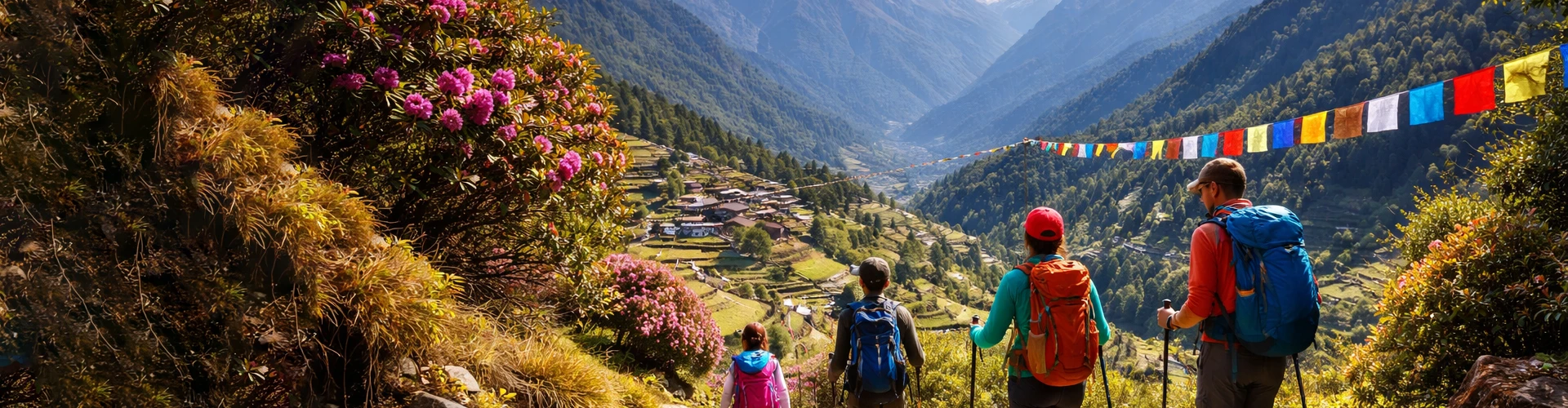
Kids trekking in Nepal is not only possible, but it has now become a popular and rewarding experience for families. Thanks to low altitude and family-friendly routes available in Nepal, the trek is manageable for kids of a varied age group. Some popular options include Ghorepani Poon Hill, Balthali Village Trek, Chisapani Nagarkot Trek, Royal Trek, or Annapurna and Everest View Trek. With families, maintain the altitude to 3,500 meters, ascend slowly, choose the right season, and pack essentials for a safe and wonderful experience.
Table of Contents
Trekking in Nepal with kids
There is a prevailing myth that trekking in the Nepal is challenging and often requires a high level of physical fitness. While some of this is true, not all trekkers require intensive physical fitness to conquer the Himalayas. With proper planning and the right trekking routes, anyone, including families and children, can trek to Nepal.
When it comes to trekking with kids in Nepal, the key is to choose a trekking route that is easier to complete with your child. The focus should be on a shorter, less steep itinerary with plenty of rest stops included. Many such treks in Nepal are suitable for children and offer breathtaking scenery without extreme physical demand.
Trekking packages, including Ghorepani Poon Hill, Balthali Village Trek, Chisapani Nagarkot Trek, Family Trekking in Annapurna, Royal Trekking, and Annapurna Panorama Trekking are a suitable option for children. With careful planning, and prioritizing the child’s comfort, trekking in Nepal can be safe, memorable, and fun.
Besides, parents should understand the safety aspects of trekking with children, the best age for a child to hike, and the best family-friendly treks in Nepal. High-altitude considerations are equally important, as children can be susceptible to altitude sickness, so choosing a trek that poses less risk of Acute Mountain Sickness (AMS) is essential.
Some safety tips should be adequately understood before undertaking a particular trek. Safety tips can range from keeping children within sight to providing proper hydration and being prepared for sudden weather changes. Also, wearing adequate clothing and packing essentials are important factors for trekking in Nepal. One should carry only child-appropriate clothing, snacks, first-aid supplies, and other personal comfort items.
Additionally, families should align the trek with the best travel season, which is typically spring (March to May) and autumn (September to November), to ensure pleasant weather without dramatic changes. The skies are clear, with mostly sunny days that allow for comfortable, long walks.
In this blog, we will provide more information about trekking in Nepal with Kids. By addressing the vital factors discussed above, Nepal Trekking Planner wishes to ensure families can confidently undertake the Himalayan adventure safely and unforgettably.
Can You Trek in Nepal with Kids?
Yes, trekking in Nepal with kids is absolutely possible. There are many trekking routes in Nepal suitable for families with children. Nepal offers a range of trekking options that are suitable for children, from beginner treks for younger kids to more moderate ones for older children and teens. Short, scenic, fun, and enjoyable trekking routes that provide magnificent mountain views and an outdoor experience are available.
Here is a possible age recommendation to help you get a better idea of when children can comfortably start trekking in Nepal.
- Toddlers (Under 5 years): Possible with careful planning. One example can be natural trails near Pokhara. It gives children a general introduction to the idea that trekking is fun.
- 6-8 Years: Children this age can take on most of the easier routes, like Ghorepani Poon Hill, independently.
- 9-12 Years: Children this age can handle multi-day routes and can be excited by the adventure. Poon Hill trek, short Everest viewpoints, or Langtang sections can be completed successfully.
- Teenagers (13+): Children this age can tackle ambitious routes, with longer walking days and duration. They are often as capable as adults on the Annapurna Base Camp trek, Langtang Valley Trek, Everest Panorama Trek, and others.
With flexible itineraries, child-friendly trails, and experienced guides, trekking with children is both possible and memorable.
Is Nepal Safe for Trekking with Children?
Yes, Nepal is generally a safe country for trekking with children. Thousands of families successfully trek in Nepal every year, and Nepal remains one of the safer destinations in South Asia for tourists. Till 2026, Nepal trekking trails have improved infrastructure, strict safety regulations, including mandatory licensing for guides in protected areas, and a focus on secure, family-friendly experiences.
But it is also necessary to take some standard precautions before undertaking the trek. The biggest safety concern for kids is altitude sickness, which affects people of all ages. Children may find it harder to recognize early symptoms such as headache, nausea, or dizziness. Kids are more vulnerable because they advance faster and ignore early signs. To minimize altitude risk, ascend slowly, acclimate, stay hydrated, and descend immediately if necessary.
Other common problems among kids include diarrhea, minor injuries, colds, and occasional natural hazards. These risks are manageable with preparation. You will need to work with a reputable trekking company, such as Trekking Planner Nepal Pvt. Ltd., to hire a licensed guide. Also, you need to get travel insurance with high-altitude coverage, pack properly, and trek during the best seasons.
There may also be confusion about Nepal's political instability, and you may be reconsidering your travel plans. However, keep in mind that these issues rarely affect the trekking region. There is a steady flow of tourists, with strong support from the Nepal Tourism Board. Also, petty theft and scams can occur in cities like Kathmandu, but they are uncommon on the trail. If you strongly associate with the company, then there is a rare chance you may be a victim.
Best Family-Friendly Treks in Nepal
1. Ghorepani Poon Hill
Trip Facts:
- Duration: Typically 6 days (up to 6–8 with extensions).
- Max altitude: 3,210m (Poon Hill viewpoint).
- Difficulty: Easy to moderate (some steep stone steps, but well-maintained paths).
- Daily walking: 4–6 hours.
- Family suitability: Highly recommended for kids 5+ (low AMS risk, manageable for families).
- Highlights: Sunrise over Annapurna/Dhaulagiri ranges, rhododendron forests, Gurung/Magar villages like Ghandruk, teahouse comfort.
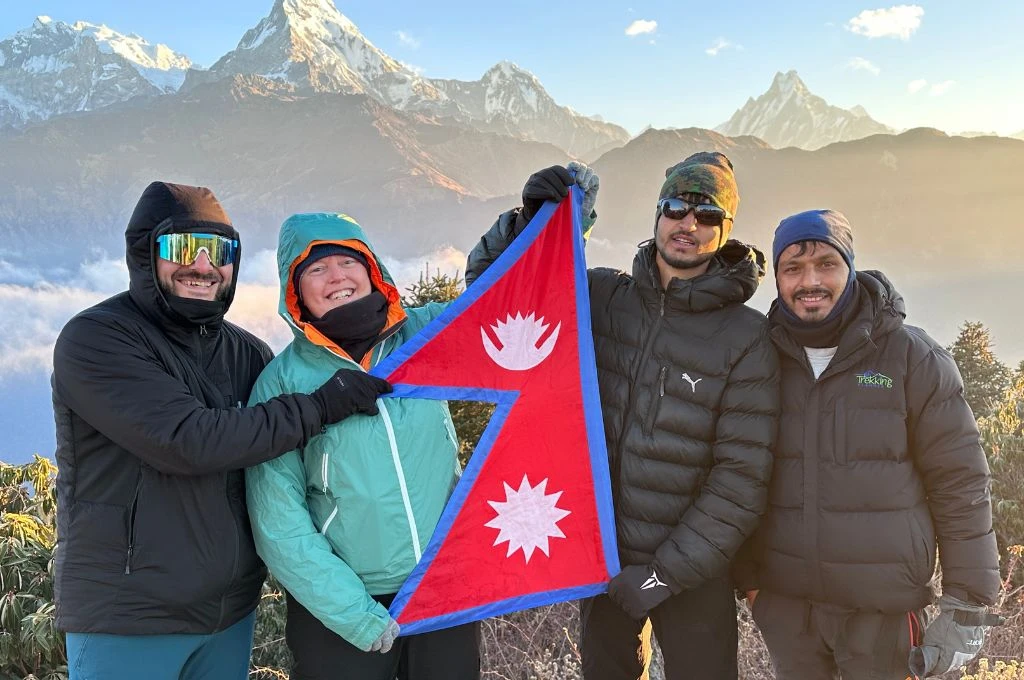
It is one of Nepal’s top family treks, taking about 5-6 days to complete. The highest point is Poon Hill at 3,210 m (10,531 ft), where you pass through rhododendron forests and Gurung villages. The major highlight of Ghorepani Poon Hill is the sunrise view over the Annapurna and Dhaulagiri ranges. It is perfect for kids aged 5 and up.
Check our package: Ghorepani Poon Hill-6 Days or Ghorepani Poon Hill 10 Days.
2. Balthali Village Trek
Trip Facts:
- Duration: Usually 3–5 days (short cultural focus, often 3 days with drives).
- Max altitude: Around 1,730m (Balthali village).
- Difficulty: Easy (gentle trails, minimal elevation gain).
- Daily walking: 4–6 hours on relaxed paths.
- Family suitability: Excellent for all ages, including young kids and multi-generational groups (no altitude concerns).
- Highlights: Terraced fields, traditional Newari/Tamang villages, homestays, panoramic Langtang/Ganesh Himal views, peaceful rural immersion.
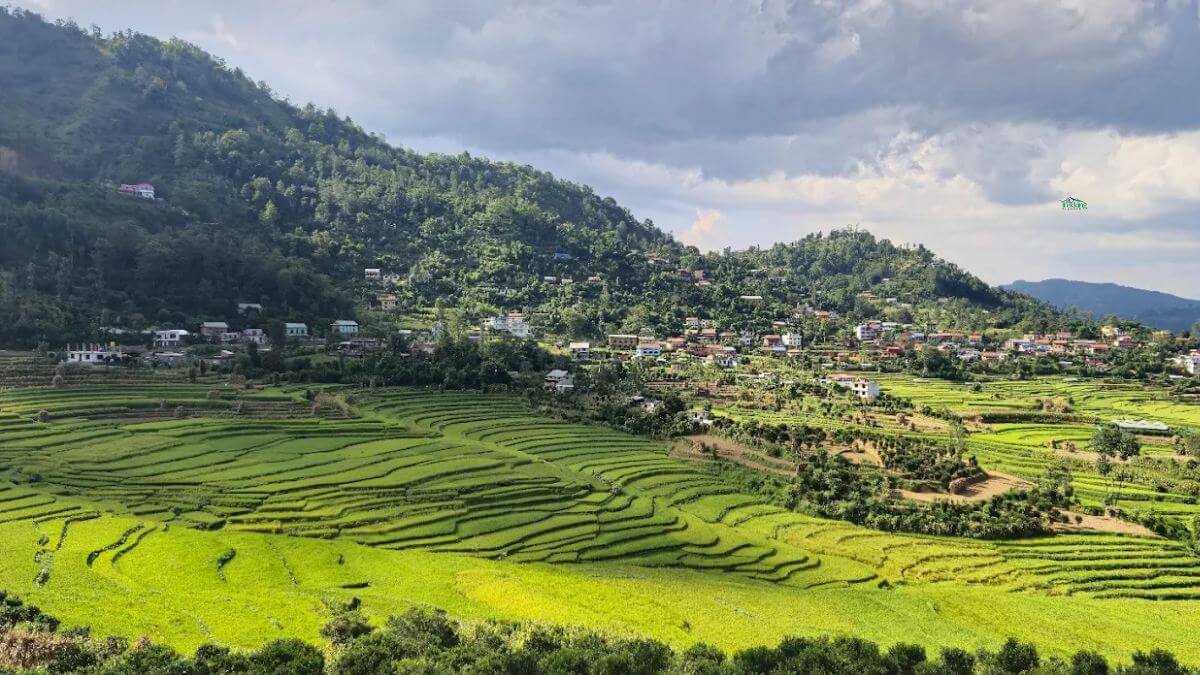
It is a gentle 2-3-day trek that takes you to an altitude of no more than 2000 meters. The trek allows passing through terraced fields, traditional Tamang villages, and orchards. The Balthali trek also offers other outdoor activities, including biking, rock climbing, hiking, and birdwatching.
Check our package: Balthali Village Trek-3 Days.
3. Chisapani Nagarkot Trek
Trip Facts:
- Duration: Commonly 3–5 days (quick 2–3 day escapes from Kathmandu possible).
- Max altitude: Around 2,175m (Nagarkot) or up to 2,300m in variants.
- Difficulty: Easy to moderate (gradual ascents through forests/ridges).
- Daily walking: 4–7 hours.
- Family suitability: Great for families/beginners (low altitude, easy access from Kathmandu).
- Highlights: Sunrise/sunset Himalayan panoramas (Everest on clear days), Shivapuri National Park forests, Tamang villages, ridge walks.
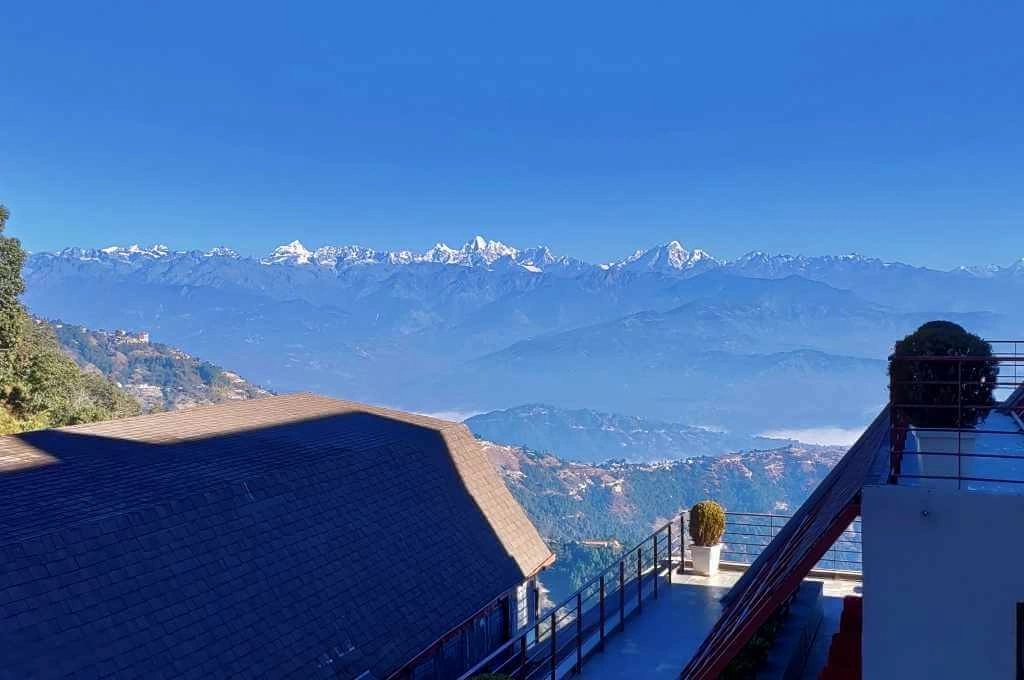
It is an easy trekking circuit that takes 3-5 days to complete, reaching an altitude of 2,175 m/7,136 ft. The Chisapani-Nagarkot trek offers panoramic Himalayan views, explores the natural richness of Shivapuri National Park, and strolls through the Gurung, Brahmin, and Sherpa communities. You will also get to visit the UNESCO World Heritage Site, Changunarayan Temple.
Check our package: Chisapani Nagarkot Trek-5 Days.
4. Royal Trekking
Trip Facts:
- Duration: Typically 4–5 days (variations 3–6 days).
- Max altitude: Around 1,730m (e.g., Syaklung or Kalikasthan).
- Difficulty: Easy (low hills, gradual/uncrowded paths).
- Daily walking: 4–6 hours.
- Family suitability: Specifically family-oriented, ideal for younger kids or relaxed groups (no AMS risk).
- Highlights: Gurung villages, forests, Annapurna views, serene Begnas/Rupa lakes, follows historic Prince Charles route.
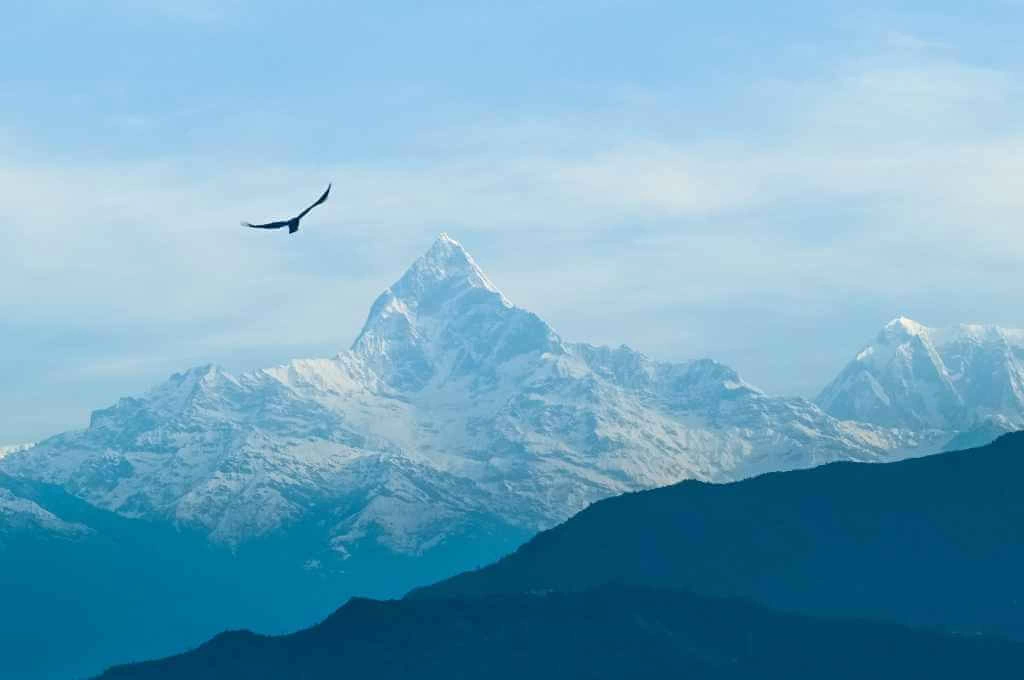
It is a lesser-known trek in Nepal that takes about 4-5 days to complete. The trek allows a visit to the foothills of the Annapurna mountain range. The maximum altitude reached is 1730 m (5,675 ft). The Royal Trek has general trails that take you through Gurung villages. It is relaxed, low-lying, and historically fun, making it an excellent option for families with children.
Check our package: Royal Trekking-4 Days.
5. Annapurna Panorama Trekking
Trip Facts:
- Duration: Usually 10–12 days (shorter 5–7 day family versions common).
- Max altitude: 3,210m (Poon Hill).
- Difficulty: Easy to moderate (straightforward trails, some steps).
- Daily walking: 4–6 hours.
- Family suitability: Beginner- and family-friendly (low AMS risk, suitable for kids with prep).
- Highlights: Panoramic Annapurna/Dhaulagiri views, rhododendron forests, Gurung villages like Ghandruk, cultural stops.
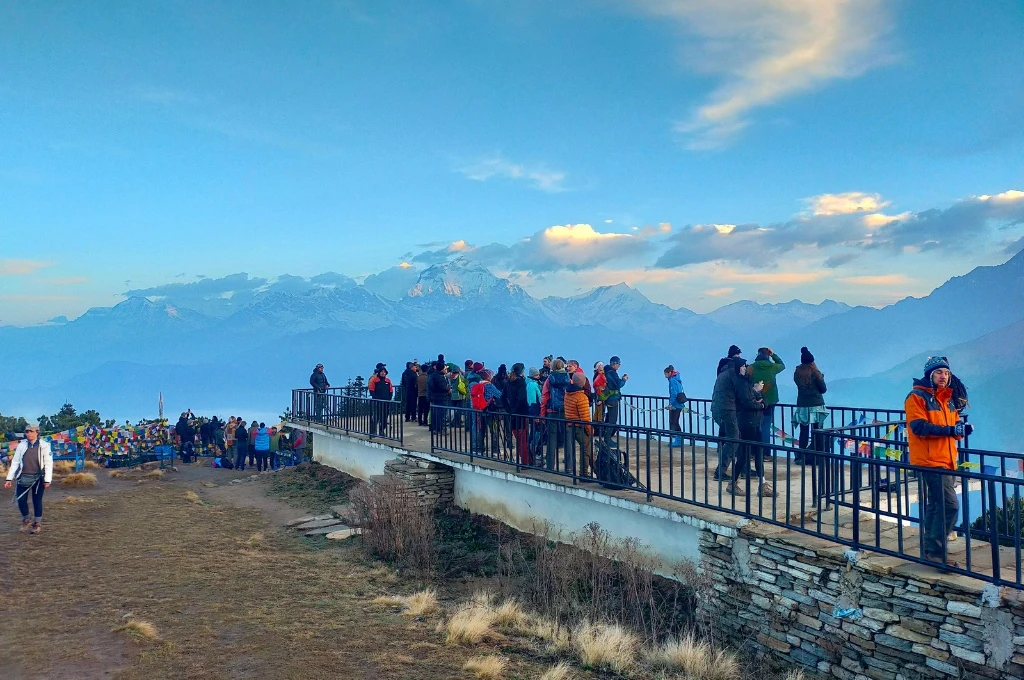
It is the shorter version of the Annapurna trek, mainly family-oriented, offering moderate trekking and excellent views of the Annapurna Mountain Range. You can enjoy panoramic views of Annapurna South, Hiunchuli, Machhapuchhre, Dhaulagiri, and more. The trails are well-maintained, allowing you to traverse along the rhododendron forests, especially in the spring season.
Check our package: Annapurna Panorama Trekking-11 Days.
6. Everest View Trekking
Trip Facts:
- Duration: Typically 5–8 days (including flights/acclimatization).
- Max altitude: Around 3,880m (Everest View Hotel/Tengboche ~3,870m).
- Difficulty: Moderate (some steep sections, "hike high, sleep low" pacing).
- Daily walking: 5–6 hours.
- Family suitability: Good for older kids/teens/families with preparation (moderate altitude needs monitoring).
- Highlights: Iconic Everest/Ama Dablam/Lhotse views, Sherpa culture in Namche Bazaar, monasteries, suspension bridges.
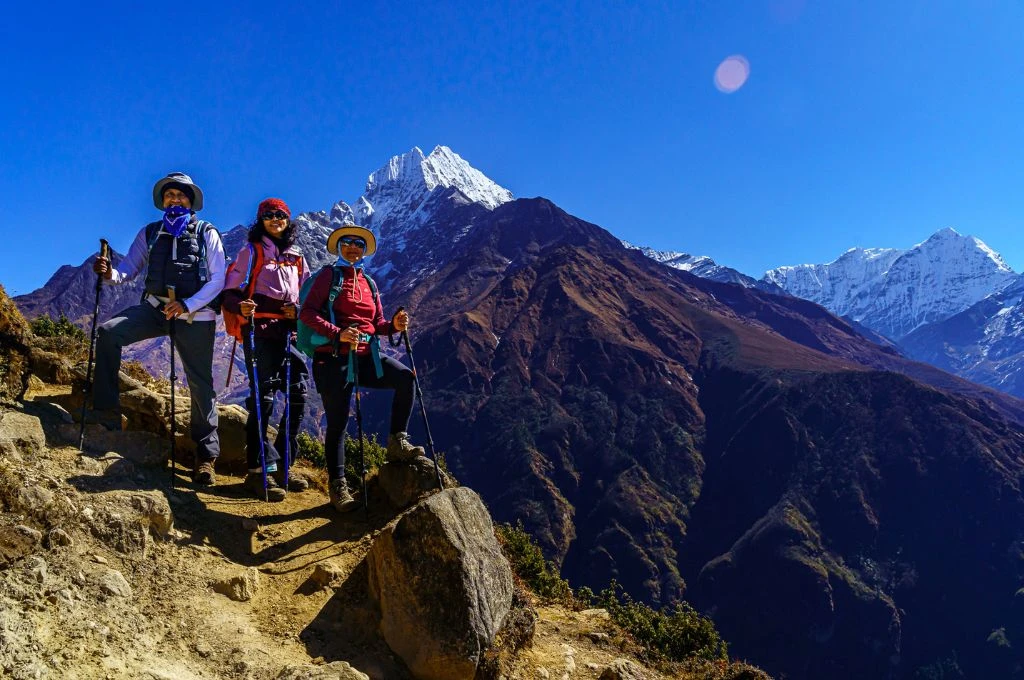
The Everest View Trek is one of the shorter treks in the Everest region that takes you to the highest mountain in the world. The trek is even doable with families and children, which allows views of Everest, Ama Dablam, Lhotse, and more. The trek doesn’t push you towards Everest Base Camp, so it is an altitude-friendly package that offers Sherpa hospitality and dramatic scenery. It is best for families with children who want an iconic Everest vibe with moderate effort.
Check our package: Everest View Trekking-11 Days.
7. Langtang Valley Trekking
Trip Facts:
- Duration: Usually 7–11 days (shorter 7–8 day versions possible).
- Max altitude: Around 3,830–3,870m (Kyanjin Gompa; optional viewpoints up to ~4,984m).
- Difficulty: Moderate (gradual ascent, some steeper sections).
- Daily walking: 5–7 hours.
- Family suitability: Suitable for older kids/teens (less crowded, cultural focus; altitude manageable with pacing).
- Highlights: Tamang villages, glaciers, Langtang Lirung views, monasteries, alpine meadows, rich biodiversity.
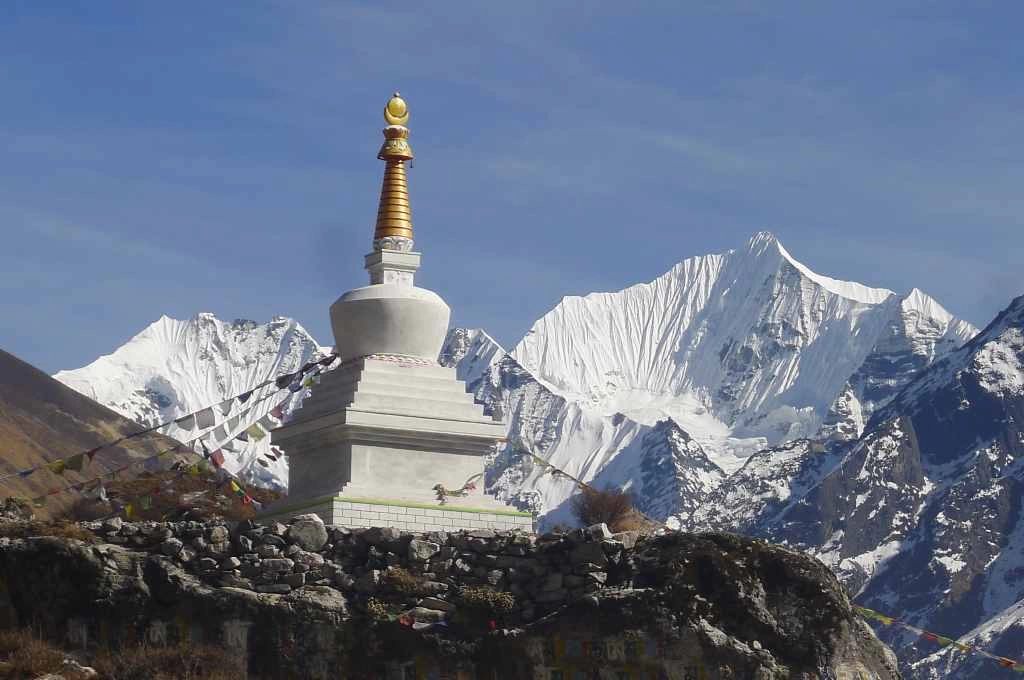
The Langtang Valley trek is one of the easiest treks in Nepal, offering views from Kyanjin Ri. The trek takes 11 days to complete and is less crowded, winding through Tamang villages, forests, rivers, and alpine meadows. The trek also offers views of Langtang Lirung, Gangchenpo, and Langtang Ri.
Check our package: Langtang Valley Trekking-11 Days.
Health and Altitude Considerations for Children
Children are more vulnerable to Acute Mountain Sickness (AMS) due to smaller lung capacity, improper acclimatization, and difficulty in expressing symptoms. The symptoms start above 2500 meters and, if not properly cared for, can worsen quickly, leading to High-Altitude Cerebral Edema (HACE) or High-Altitude Pulmonary Edema (HAPE).
Symptoms include headache, dizziness, nausea, vomiting, difficulty sleeping, fatigue, and poor appetite.
Prevention
- Stick to low altitude trekking that takes you and your children to a maximum of 3500 meters. Ghorepani Poon Hill, Chisapani Nagarkot Trek can be a suitable option.
- Ascend slowly and gradually while limiting the sleep elevation to 300-500 meters per day. Follow the “hike high and sleep low” rule.
- Include acclimatization days in the itinerary and monitor your child for any symptoms. If symptoms appear, descend immediately.
- Hydration is key, so drink plenty of water, at least 3-4 liters per day, to keep away from the symptoms of altitude sickness.
- Consult with medical personnel before undertaking the trek. Understand you and your kid’s health condition.
- Purchase travel insurance that covers high altitude trekking and emergency helicopter rescue.
- Eat a balanced diet with more carbs to keep the body energized, omitting meat or other junk foods, which can upset the stomach. Opt for fresh foods, fruits, and fiber.
Practical Safety Tips for Trekking with Kids
- Choose a reputable trekking company, such as Trekking Planner Nepal Pvt. Ltd., who have prior experience handling families with children.
- Select an easy-going trekking trail suitable for children with limited physical activity.
- Mandatorily hire a licensed local guide who is capable of first aid, AMS monitoring, and logistics.
- Limit your daily walk to 4-6 hours. Add frequent breaks, snacks, and playtime for kids. Children can get tired more quickly, so focus on activities like spotting animals or crossing bridges.
- Ensure hydration between the walks. Use electrolytes to prevent stomach problems. Pack rehydration salts and antibiotics.
- Watch your child for minor injuries, make sure they follow your lead, especially near edges, streams, or steep sections. Avoid brand-new shoes on trek day and have your child wear long-sleeved clothing.
- Use lotions, insect repellents, and sunscreen on your child to prevent scratches, stings, and sunburn.
- Avoid trekking during the off-season, which is winter and the monsoon. Slippery trails, heat, and extreme cold can disrupt the trek.
- Share the itinerary with your contacts back home. Register your trek at the Tourism office in Nepal and carry emergency communication and numbers.
Packing Essentials for Kids on a Nepal Trek
Clothing and Layers
- Use comfortable and good quality walking shoes with strong grip. Do not bring brand new shoes to the trek as they can cause blisters in your leg.
- Three-layer cloths, fleece, mid layers and water/windproof jackets.
- Extra T-shirts that are easy to wash and dry.
- Warm hat, gloves and cap.
- Lightweight hiking pants.
- Rain gear for showers.
Footwear and Protection
- Sturdy broken trekking shoes.
- Slippers to use inside teahouse.
- Sunscreen, lip balm, and sunglasses for UV protection.
- Insect repellent.
Personal Items
- Extra lightweight blanket for cold night.
- Hand sanitizer, wet wipes, toilet paper, travel towel.
- Reusable water bottle.
Health and First Aid
- Balms, Ointment, Antiseptics, Kid friendly pain relievers.
- Rehydration salts/Electrolytes.
- Necessary personal medicines if prescribed.
Daily Essentials for Kids
- Snacks, small toys, energy bars.
- Small games, cards, books.
- Polythene for personal waste (Dispose properly).
Other Items
- Bag Pack
- Power Bank
- Extra Batteries
- Camera
- Nepalese Rupees
What are the essential items that Nepal Trekking Planner provides?
- Sleeping Bag
- Down Jacket
- T-shirt
- Cap
- Duffle Bag
- Trekking Route Map
- Trekking Poles
- Oximeter
- Neck Buff
Nepal Trekking Planner advises not to overpack. Most of the essential can be rented or purchased in Kathmandu if needed.
Best season for Family Trekking in Nepal
The best season for Family trekking in Nepal is spring and autumn. Spring lasts from March to May, and autumn lasts from September to November. These seasons have moderate climatic conditions without extremities. So, it is easier to trek during these periods, with unobstructed mountain views providing long, comfortable walking hours for families.
1. Spring (March to May)
Spring brings mild weather, marked by blooming rhododendrons and wildflowers that paint the landscape. The greenery in the atmosphere, along with moderate temperatures, makes for an enjoyable trek. The skies are mostly clear with little to no chance of rainfall. You will be required to pack only essential items, omitting waterproof gear.
Likewise, the views of mountains, which are the major highlight of any trek, are clearly seen. You can enjoy a panoramic view of the mountains without worrying about weather conditions. But the spring trek brings crowds to the trekking trail, making it difficult to find accommodation and acquire permits. So, it is better to consult a trekking company that can book your accommodation and obtain your permits for a hassle-free experience. The average spring temperature ranges from 5 to 20 degrees Celsius, so prepare accordingly.
2. Autumn (September to November)
Autumn is the best season for easy trekking in Nepal. Family trekking is most popular in autumn due to its moderate weather. The skies are clear, which provides an unobstructed view of the mountains. The trails are dry, making the trek safer than during other trekking seasons.
Also, autumn in Nepal is a festive season. The most popular festivals, including Dashain and Tihar, fall during autumn. There is a celebratory atmosphere throughout the trekking route with houses decorated with oil lamps and flowers. You can also see local people singing, dancing, and hosting cultural events, which adds an additional layer of fun during the trek. The average temperature during autumn ranges from 10 to 25 degrees Celsius, so prepare accordingly.
3. Winter and Summer Trek
Winter lasts from December to February, and Summer lasts from June to August in Nepal. These are regarded as off-season for trekking, as the weather does not favor outdoor activities. Summer brings heavy rainfall, which can make trails slippery and make the trek potentially dangerous. Similarly, leeches and insect infestation are higher in summer, which hampers the trekking experience. You will also need to pack additional clothes to counter the effect of rainfall, causing the bags to be heavier, ultimately making it harder to walk.
Also, winter brings extreme cold. Heavy snowfall at high altitudes makes navigation difficult. Exposure to such cold conditions can also cause hypothermia, snow blindness, or even frostbite. So, you should be careful before undertaking the trek during winter. Lastly, if the weather turns extremely bad, it may also make emergency evacuation difficult.
So it is better for families to focus on the shoulder season, which offers calmer weather and a safer trekking experience.
Why Choose Trekking Planner Nepal for Family Treks?
- A proven track record with excellent ratings (TripAdvisor)- Evidence of great operations.
- Prior experience in handling family groups with elderly and children.
- All-Inclusive Tours - Your choice, our commitment.
- Adventure specialist for small and large groups - Personalized attention and care.
- Seasoned, Qualified, Local Guides - At the top of their game.
- Healthy food and high-quality equipment- Qualitative stress-free enjoyment.
- Strong local management Trip assistance- A welcoming outdoor care.
- Whole Risk Management - Consistent-Reliable-Trustworthy.
- Witty and fast customer service - Always there for you.
- More trip selections with customized itinerary catering your need.
- Genuine Eco-conservation/social project - For nature lovers and you.
- Alternate Routes - Expect Agile Adherence.
Conclusion
Trekking in Nepal is a fun option for trekkers who wish to experience the Himalayas with their children. Although it may not be the same as trekking with adults, trekking with children is also a fun experience if properly prepared. Parents should prioritize on low-altitude, short-route treks while hiring expert guides and packing smartly. Besides, trekkers should also choose the best season (Spring or Autumn) to create an adventurous, safe trekking atmosphere for the kids.
So, join Trekking Planner Nepal, a reputable trekking company that has been handling family trekking for over a decade. While thousands of families create everlasting memories, we are here to help you do the same. Share your requirement for tailored advice. Best wishes and happy trekking.
FAQS for Trekking in Nepal with kids
1. How can families obtain a visa to visit Nepal?
Traveling from abroad, you can obtain an on-arrival visa in Nepal at the Tribhuvan International Airport in Kathmandu. Other than that, you can do the visa processing from the Nepalese Diplomatic Missions in your home country.
2. Is there a tourist police in Nepal?
Yes, there is tourist police in Nepal. To contact, please dial the emergency number at 1144.
3. How can I recognize the representative at the airport?
A representative from Trekking Planner Nepal will be carrying a placard with your name to help with identification. The representative will be standing outside the arrival section waiting for you, so look out for the placard.
4. Is it safe to travel with children in Nepal?
Yes, absolutely. It is safe to travel to Nepal, as it is a secure country that offers immense hospitality to foreigners. For trekking, choose easy trails that respect your child's physical fitness and age limit.
5. What happens if a child gets sick during the trek?
You will need to consult with the guide or trekking company, who will address the issue. In a severe condition, a helicopter evacuation is managed by the company, which will immediately transfer your child to a medical facility. But to do so, you must acquire travel insurance.
6. What permits are required for trekking with children in Nepal?
Permits, especially, depend on the route you intend to take. Mostly, companies like Trekking Planner Nepal will acquire the trekking permits on your behalf. Simply, you will need to acquire an Annapurna Conservation Area Permit (ACAP) for Annapurna and a Sagarmatha National Park Entry Permit for the Everest region.
7. What is the minimum age to trek in Nepal with kids?
There is no mandatory age limit for kids to trek to Nepal. Families, even with toddlers, have trekked to Nepal. For a safer experience, it is better to trek with kids 5 years old or older.
8. How do I book my trek in Nepal?
You can book your trek through our website at www.nepaltrekkingplanner.com. Or you can simply contact us through Gmail ([email protected]). We are also available on social media platforms such as Facebook, Instagram, and WhatsApp (+977 9851071767).